Bridal portrait sessions succeed or fail on the photographer's ability to give clear, specific directions — not vague requests to 'look natural.' The 15 pose directions below cover every category you need: classic standing angles, movement shots, intimate close-ups, and environment-driven compositions. Master these and you'll have a repeatable system that produces a full, varied gallery in under 90 minutes, regardless of venue or light conditions.
What are the most flattering standing poses for a bride?
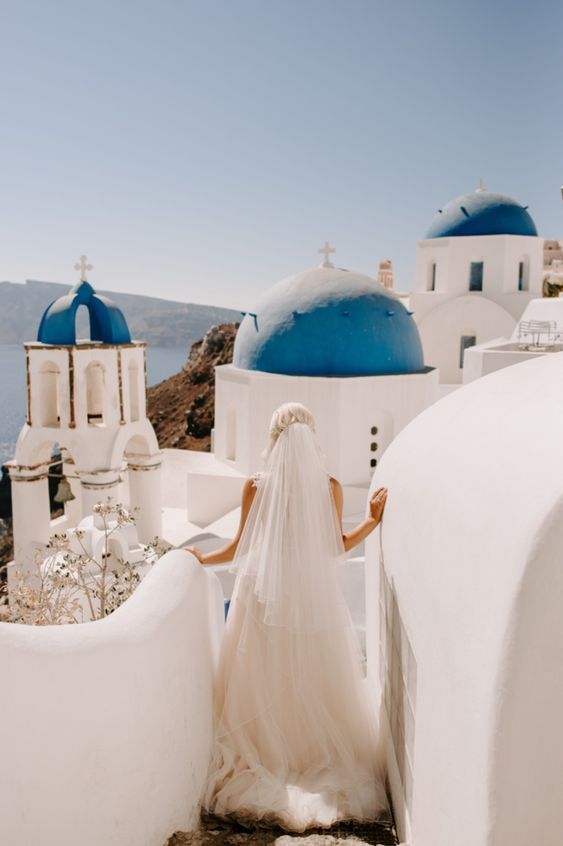
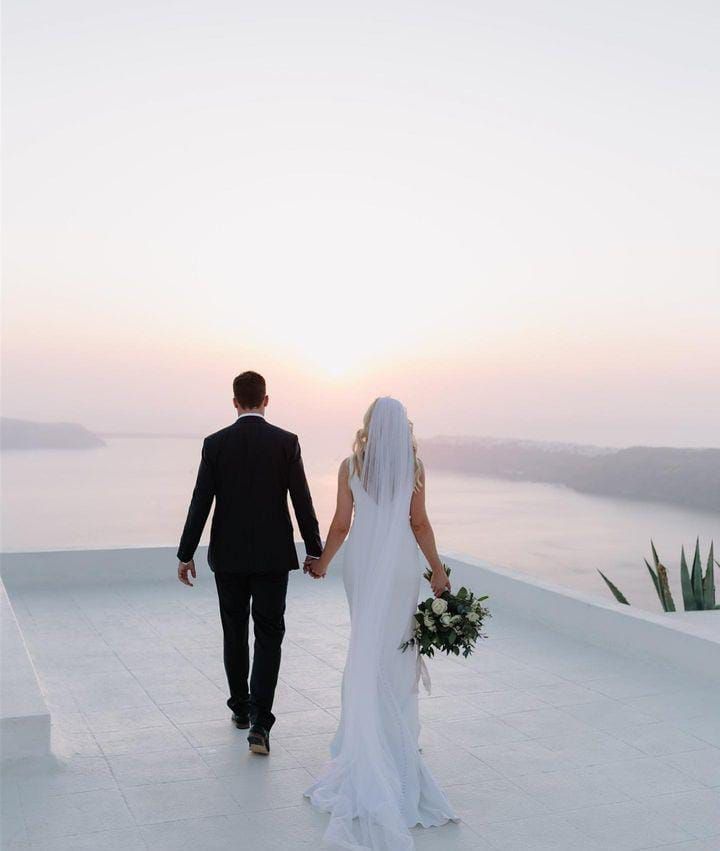
Four standing poses form the backbone of any bridal session. (1) Weight-shift three-quarter turn: ask the bride to shift her weight onto her back foot, angle her body 45° from camera, and look back over the near shoulder — this narrows the silhouette and shows the dress's side detail. (2) Straight-on with shoulder drop: both feet parallel, one shoulder slightly rolled forward to avoid a stiff, passport-photo feel. (3) Back-to-camera: bride walks slowly away, gown trailing — ideal for backless dresses and cathedral trains. (4) Seated with trailing skirt: place her on a low surface, arrange fabric in a sweep, and shoot from slightly above eye level.
Which movement-based poses produce the most dynamic bridal portraits?
Movement breaks tension and generates 20–30 genuine expressions per minute. (5) Slow walk toward camera: instruct her to take deliberate, heel-to-toe steps while looking just past the lens — creates natural arm swing and dress sway. (6) Dress twirl: hands hold the skirt at hip level, she rotates a full 360° on your count of three — shoot at 1/500s or faster to freeze the flare. (7) Veil toss: grip veil at the sides at shoulder height, release on your cue, shoot burst mode at apex. (8) Candid laugh/look away: tell a joke or ask her to think of the groom's reaction — capture the genuine exhale and the downward gaze that follows.
How do you direct a bride for intimate detail and close-up shots?
Close-ups require specific hand and gaze placements to avoid awkward compositions. (9) Bouquet with soft downward gaze: hold bouquet at mid-torso, chin slightly down, eyes closed or at 45° below horizontal — romantic and editorial. (10) Hands on waist: both hands rest lightly on hips, fingers slightly separated — never a clenched fist. (11) Window-light profile: bride faces perpendicular to the window, chin elevated 5°, near eye in sharp focus — the catch-light does the work. (12) Hair adjustment: ask her to lightly graze her veil or tuck a strand; the raised elbow creates a dynamic arm line and draws attention to the face.
How should you use the environment to elevate bridal portraits?
The final three directions are compositional, not postural — they work with any of the above poses. (13) Architectural lean: bride leans one shoulder against a doorframe, column, or wall at roughly 20° — the diagonal line adds depth and the structure frames her naturally. (14) Mirror or reflection: position her 1–2 meters from a floor mirror and shoot the reflection; capture both her direct gaze and her reflection simultaneously for a storytelling double-image. (15) Backlit silhouette: place the bride between camera and a window or setting sun, expose for highlights, and let the dress glow — shoot this in the last 10 minutes of natural light for maximum impact. Photographers who pre-build a shot board in UPose can save all 15 of these directions with reference images and share the board link with the bride before the session, so she arrives knowing exactly what to expect.
Frequently Asked Questions
How many bridal portrait poses should I plan per session?+
What is the most universally flattering angle for a bridal portrait?+
How do I direct a bride who says she doesn't know how to pose?+
What bridal portrait poses work best for a fuller-figure bride?+
How can I share pose references with my bride before the wedding?+