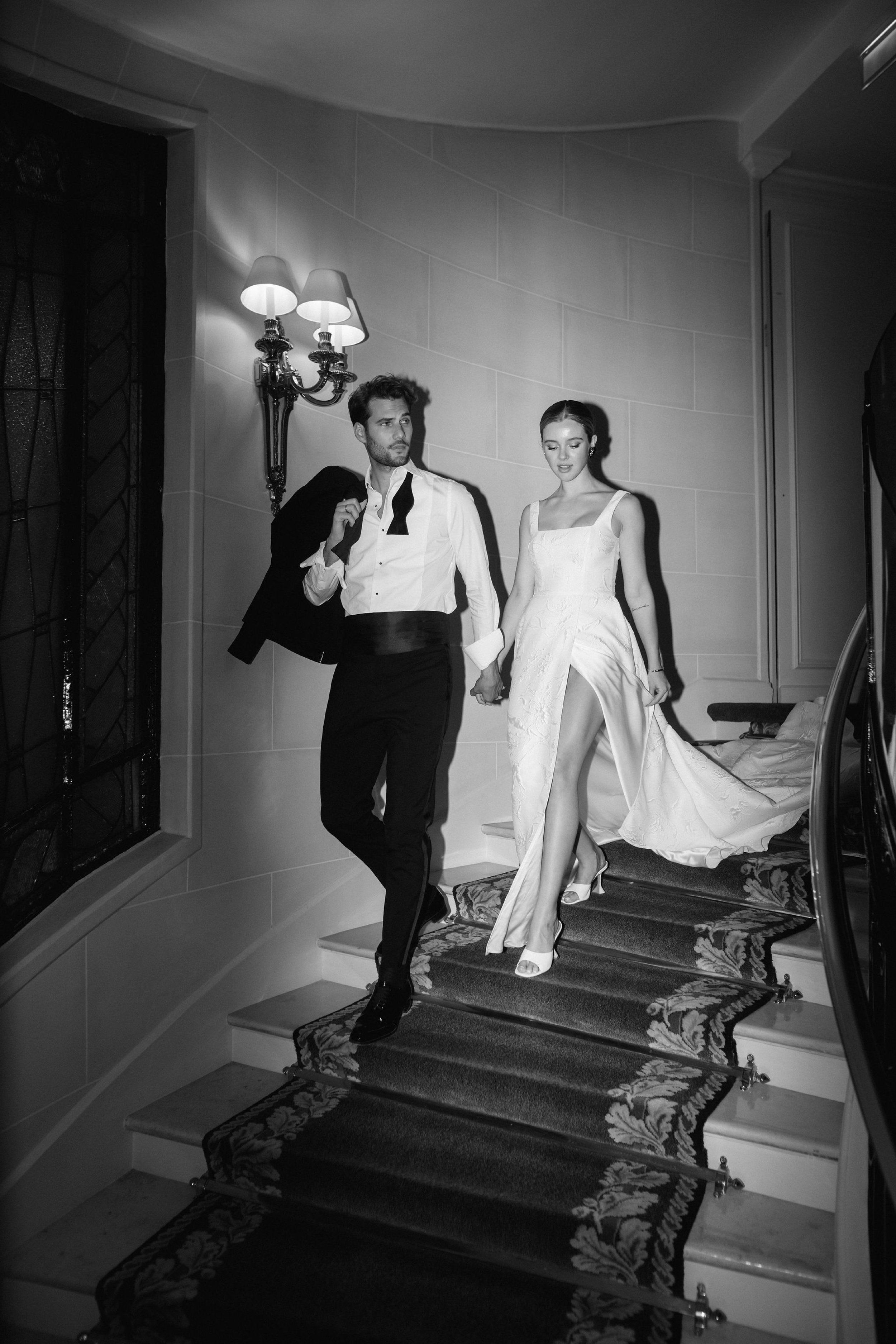
The first look has become one of the most emotionally charged moments in modern weddings. It is the instant where weeks of anticipation collapse into a single, unscripted reaction — tears, laughter, disbelief, or all three at once. For photographers, it is a once-in-a-lifetime window that lasts roughly ninety seconds. For couples, it is a private memory they will revisit for decades. Getting the pose and setup right ensures that the feeling of that moment translates into an image that hits just as hard years later.
What Makes a Great First Look
A great first look is not about perfection. It is about authenticity. The best setups give the couple enough structure to feel comfortable while leaving enough room for genuine surprise. Three elements make the difference between a forgettable snapshot and a portfolio-worthy image: the location, the positioning, and the photographer's distance from the moment.
Choose a location with soft, even light and minimal distractions. An open doorway, a garden path, or a quiet corner of the venue works beautifully. Avoid direct midday sun, busy backgrounds, or areas where guests might wander through. The setting should feel intimate, almost like a stage designed for two.
Positioning Tips Before You Start
Before the couple sees each other, brief them separately. Explain where they will stand, which direction they will face, and what to expect. This removes anxiety without removing spontaneity. Tell the person who will be waiting to keep their back turned and to take a deep breath. Tell the approaching partner to walk slowly — slower than they think is necessary.
Position yourself at a 45-degree angle from the couple so you can capture both the approaching partner and the waiting partner's reaction simultaneously. A second shooter directly facing the waiting partner is ideal, but if you are working solo, prioritize the reaction of the person turning around — that is the frame everyone wants to see.
15 First Look Pose Ideas
1. The Shoulder Tap
The approaching partner gently taps the other on the shoulder. The waiting partner turns around slowly. This is the most classic first look setup because it creates a clear, cinematic beat: anticipation, contact, reveal. Shoot continuously from the moment the hand reaches forward until the embrace that follows.
2. The Letter Read
Before the reveal, have both partners stand back to back, each reading a handwritten letter from the other. This creates an emotionally layered scene — two people connected but not yet seeing each other, sharing words they wrote in private. Capture the expressions as they read, then transition into the turn-around reveal.
3. The Blind Corner
Position the couple on opposite sides of a wall, doorway, or large tree. They can hold hands around the corner without seeing each other. This builds tension and gives you a striking compositional element. When one partner finally steps around, the reaction is amplified by the anticipation.
4. Walking Toward
The waiting partner stands with their back turned while the other walks toward them from a distance. Use a long lens — 85mm or 135mm — to compress the scene and isolate the couple from the background. The slow approach builds emotion frame by frame, and the final moment of contact becomes the payoff.
5. The Spin Reveal
After the initial turn-around, ask the bride to do a slow spin to show off the full dress. This gives the partner a chance to take everything in, and their reaction is often even more expressive than the first glance. Shoot the partner's face during the spin — that is where the magic is.
6. The Forehead Rest
Immediately after the reveal, guide the couple into a forehead-to-forehead pose with eyes closed. This quiet moment lets the emotion settle. It creates a beautiful contrast to the energy of the initial reaction and produces an image that feels deeply intimate.
7. The Lift
If the couple is comfortable with it, the lift is an explosive expression of joy. One partner scoops the other up and spins. The resulting images are full of movement, laughter, and genuine happiness. Shoot in burst mode and be ready — this happens fast.
8. The Hand Hold Without Looking
Before the full reveal, have the couple reach behind them and hold hands without turning around. This tender, anticipatory moment is incredibly photogenic. Shoot it tight to capture the hands, then pull wide to show the full scene of two people connected but waiting.
9. The Gift Exchange
Some couples exchange small gifts during the first look. A watch, a piece of jewelry, a flask with a personal engraving. Capture the moment of giving and receiving — the expressions are genuine and the images tell a complete story.
10. The Whisper
After the reveal, ask one partner to whisper something to the other. It does not matter what they say. The physical closeness and the resulting expression — usually a laugh or happy tears — make for an incredibly intimate image.
11. The Walk Together
Once the initial emotion has settled, have the couple walk hand in hand away from the camera. This creates a beautiful transitional image and gives the couple a moment to breathe together before formal portraits begin.
12. The Frame Within a Frame
Use an architectural element — a doorway, a window, an archway — to frame the first look moment. This adds depth and context to the image while keeping the emotional center of the frame on the couple's reaction.
13. The Veil Reveal
If the bride is wearing a veil, drape it over both partners after the initial reveal. The soft fabric creates a cocoon of intimacy, and shooting through the veil adds a dreamy, ethereal quality to the images.
14. The Prayer Together
For couples who share a faith, holding hands and praying together before seeing each other is a deeply meaningful first look variation. Stand back, use a long lens, and let the moment happen without interference. These images carry tremendous emotional weight.
15. The Double Reveal
Both partners stand back to back and turn around at the same time on a count of three. This variation captures two simultaneous reactions and works particularly well with a second shooter. Each photographer focuses on one partner's face for the full, uninterrupted reaction.
"The first look is the one moment in a wedding day that cannot be recreated. Every setup should serve the emotion, not compete with it."
Lens Recommendations
For first look moments, reach for lenses that let you stay out of the way while still capturing intimate detail. An 85mm f/1.4 is the workhorse choice — it compresses backgrounds beautifully and isolates the couple with creamy bokeh. A 70-200mm f/2.8 gives you flexibility to zoom between tight reaction shots and wider scene-setting frames without moving your feet. If you want something more cinematic, a 135mm f/2 delivers stunning subject separation with minimal distortion.
Avoid wide-angle lenses during the reveal itself. They force you to stand too close, which breaks the intimacy of the moment. Save the 35mm for environmental shots before and after the first look, when the couple is more relaxed and aware of the camera.
Timing the First Look
Schedule the first look at least two hours before the ceremony. This gives the couple time to have their moment, recover emotionally, and move into formal portraits without feeling rushed. If you are shooting during golden hour, time the first look for about 90 minutes before sunset — the warm, directional light adds a cinematic quality that flat midday light cannot match.
Brief the wedding coordinator so they can manage the timeline and keep guests away from the first look area. Nothing breaks the spell faster than a well-meaning aunt wandering around the corner with a phone camera.
Final Thoughts
The first look is a gift to both the couple and the photographer. It creates space for real emotion in a day that can otherwise feel heavily choreographed. Whether you choose the classic shoulder tap or something more creative like the blind corner or double reveal, the key is to prepare the setup and then step back. Let the moment happen. Your job is to be ready when it does.
Save your favorite first look setups in UPose so you can reference them on-site without fumbling through your phone. When the moment arrives, you will be ready to capture it.