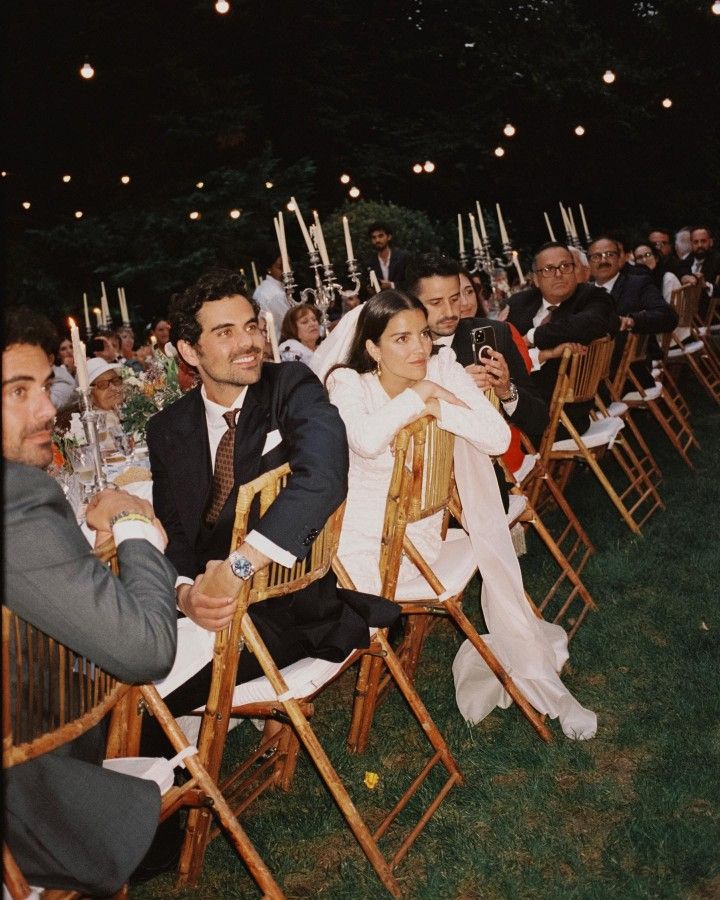
Golden hour is the most sought-after window in wedding photography for a reason. That brief period when the sun hangs low on the horizon bathes everything in warm, directional light that makes skin glow, colors deepen, and ordinary locations look cinematic. It is forgiving, flattering, and almost impossibly beautiful — but only if you know how to use it. Miss the window or mismanage the poses and you lose the magic entirely.
This guide covers everything you need to know to make the most of golden hour on a wedding day, from calculating the exact timing to choosing the right poses, gear, and backup plans.
What Is Golden Hour
Golden hour refers to the period shortly after sunrise or before sunset when the sun is close to the horizon, producing light that is warm in color temperature, soft in quality, and directional in nature. On a clear day, this window typically lasts 30 to 60 minutes, though the exact duration depends on your latitude, the time of year, and atmospheric conditions.
What makes golden hour light special for portraits is the angle. When the sun is low, it wraps around faces rather than casting harsh shadows beneath eyes and noses. The warm tone flatters every skin color and adds a romantic glow that is almost impossible to replicate with artificial lighting. Shadows are long and soft, backgrounds take on rich amber tones, and backlighting creates natural rim light around hair and shoulders.
How to Calculate the Timing
Do not guess. Use a reliable app or website to determine the exact sunset time for your venue's location on the wedding date. Golden hour begins roughly one hour before sunset and extends until about 15 minutes after the sun drops below the horizon. That post-sunset period, sometimes called blue hour, produces cooler, more muted light that is equally beautiful but very different in mood.
On the wedding day timeline, work backward from sunset. If the sun sets at 7:30 PM, you want the couple outside and in position by 6:30 PM at the latest. That gives you a full hour of golden light to work with. Build a 10-minute buffer into the timeline for travel to the shoot location, last-minute outfit adjustments, and the inevitable "one more group photo" request from a relative.
Scout the venue ahead of time if possible. Know exactly where the sun will be during golden hour and identify two or three specific spots where the light will hit best. Trees, open fields, rooftops, and west-facing walls are all excellent options. Avoid locations surrounded by tall buildings or dense tree cover that might block the low sun entirely.
Best Poses for Golden Hour
The Silhouette
Position the couple directly between you and the setting sun. Expose for the sky and let the couple go completely dark. The result is a dramatic silhouette that outlines their shapes against a blazing orange or pink sky. This works best with poses that have clear separation between the two figures — a kiss in profile, the dip, or walking hand in hand with arms visible. Avoid having them face you straight on, which creates a single shapeless blob rather than two distinct forms.
Backlighting with Rim Light
Place the sun directly behind the couple at a low angle so it creates a glowing outline around their hair, shoulders, and veil. Expose for the couple's faces, letting the background blow out slightly. The effect is ethereal and romantic, with the couple literally glowing against a soft, luminous background. Use a lens hood or your hand to prevent flare from washing out the image, unless you want the flare intentionally.
The Veil Shot
Golden hour light transforms a veil from a simple accessory into a photographic tool. Have the bride extend the veil to its full length and let the wind or an assistant position it so the light shines through the fabric. The translucent material catches the warm light beautifully, creating a soft, diffused glow that envelops the couple. Shoot through the veil for a dreamy, layered look, or position yourself to capture the veil billowing against the golden sky.
Walking Toward the Camera
Have the couple walk slowly toward you with the sun behind them. The backlight creates separation from the background while the couple's faces catch just enough ambient light to be properly exposed. This is one of the most versatile golden hour setups because it combines natural movement with stunning light. Use a long lens — 85mm or 135mm — to compress the background and amplify the bokeh from the backlight.
The Forehead Touch
Position the couple at a slight angle to the sun so the golden light hits one side of their faces. Eyes closed, foreheads touching, the warm sidelight creates beautiful dimension and shadow. This is a quiet, intimate pose that pairs perfectly with the contemplative quality of late afternoon light.
The Spin
The groom spins the bride with the sun behind them. The movement of the dress catches the light, creating motion blur and light trails if you slow your shutter speed slightly. The golden backlight turns every flowing element — dress, veil, hair — into a luminous, painterly blur. Shoot in burst mode and experiment with shutter speeds between 1/200 and 1/500 for different effects.
The Embrace from Behind
The groom wraps his arms around the bride from behind, both facing the setting sun. Shoot from the side to capture both profiles bathed in warm light. This pose feels natural and relaxed, and the directional light sculpts their faces beautifully. It also gives the couple a moment to simply stand together and enjoy the view, which produces genuine, peaceful expressions.
Gear Tips for Golden Hour
The right equipment makes a significant difference during golden hour. Here is what to bring and how to use it:
- Fast prime lenses — an 85mm f/1.4 or 50mm f/1.2 lets you shoot wide open for creamy bokeh and beautiful subject separation against golden backgrounds
- A reflector — a gold or white collapsible reflector bounces warm light back onto the couple's faces when shooting with the sun behind them, filling in shadows without artificial lighting
- Lens hood — essential for controlling flare when shooting into the sun, unless you deliberately want it for artistic effect
- Off-camera flash — a subtle fill flash balanced against the golden ambient light can lift shadows on faces while preserving the natural warmth of the scene; use a CTO gel to match the warm color temperature
- Prism or crystal — holding a glass prism near the lens during golden hour creates rainbow refractions and light streaks that add a creative, editorial quality to portraits
Embracing Lens Flare
Many photographers avoid lens flare, but during golden hour it can be a powerful creative tool. Remove your lens hood, angle toward the sun, and let the light wash across your frame. The resulting flare adds warmth, softness, and a dreamlike quality that feels perfectly suited to wedding portraits. The key is intentionality — controlled flare looks artistic, while accidental flare looks like a mistake.
Backup Plans for Cloudy Days
Not every wedding day cooperates with your lighting plans. Overcast skies mean there is no defined golden hour, but that does not mean the photos have to suffer. Cloud cover acts as a giant softbox, producing even, diffused light that is incredibly flattering for portraits. You lose the warm color temperature and dramatic shadows, but you gain consistency and flexibility — you can shoot in any direction without worrying about the sun's position.
On cloudy days, compensate for the lack of warm tones in post-processing. A slight shift toward warm white balance and a touch of added contrast can recreate much of the golden hour feel. You can also use an off-camera flash with a CTO gel to add directional warmth that mimics low sunlight.
If the sky clears unexpectedly during a cloudy day, drop everything and grab the couple. Even five minutes of golden light can produce enough stunning images to anchor the entire gallery. This is why it pays to have your golden hour shot list pre-planned and ready to execute at a moment's notice.
Timeline Planning
Golden hour portraits must be built into the wedding day timeline from the beginning, not squeezed in as an afterthought. Work with the couple and their coordinator to block out a 30 to 45 minute window that aligns with sunset. Here is a sample timeline structure for a 7:30 PM sunset:
- 6:15 PM — couple excuses themselves from cocktail hour or early reception
- 6:25 PM — arrive at pre-scouted golden hour location
- 6:30 - 7:15 PM — golden hour portrait session
- 7:15 - 7:30 PM — blue hour bonus shots as light fades
- 7:30 PM — couple returns to reception for introductions or dinner
Communicate this plan to the coordinator, the DJ, and the catering team so no one panics when the couple disappears for 45 minutes. Frame it as a gift to the couple — this short break produces the most visually striking images of the entire day, and it gives the newlyweds a rare moment of quiet together in the middle of the celebration.
"Golden hour does not wait. The photographers who get the best sunset portraits are the ones who planned for it weeks before the wedding day and executed in minutes when the light was right."
Make Golden Hour Count
Golden hour is a gift with a strict expiration date. Every minute matters. The photographers who consistently deliver breathtaking sunset portraits are the ones who arrive prepared — location scouted, shot list memorized, gear ready, and timeline protected. When the light turns gold, you should already know exactly where to stand and what to shoot.
Build your golden hour pose collection in UPose so you can reference proven setups instantly on the wedding day. When you have 30 minutes of perfect light and a couple counting on you, preparation is the difference between good photos and unforgettable ones.