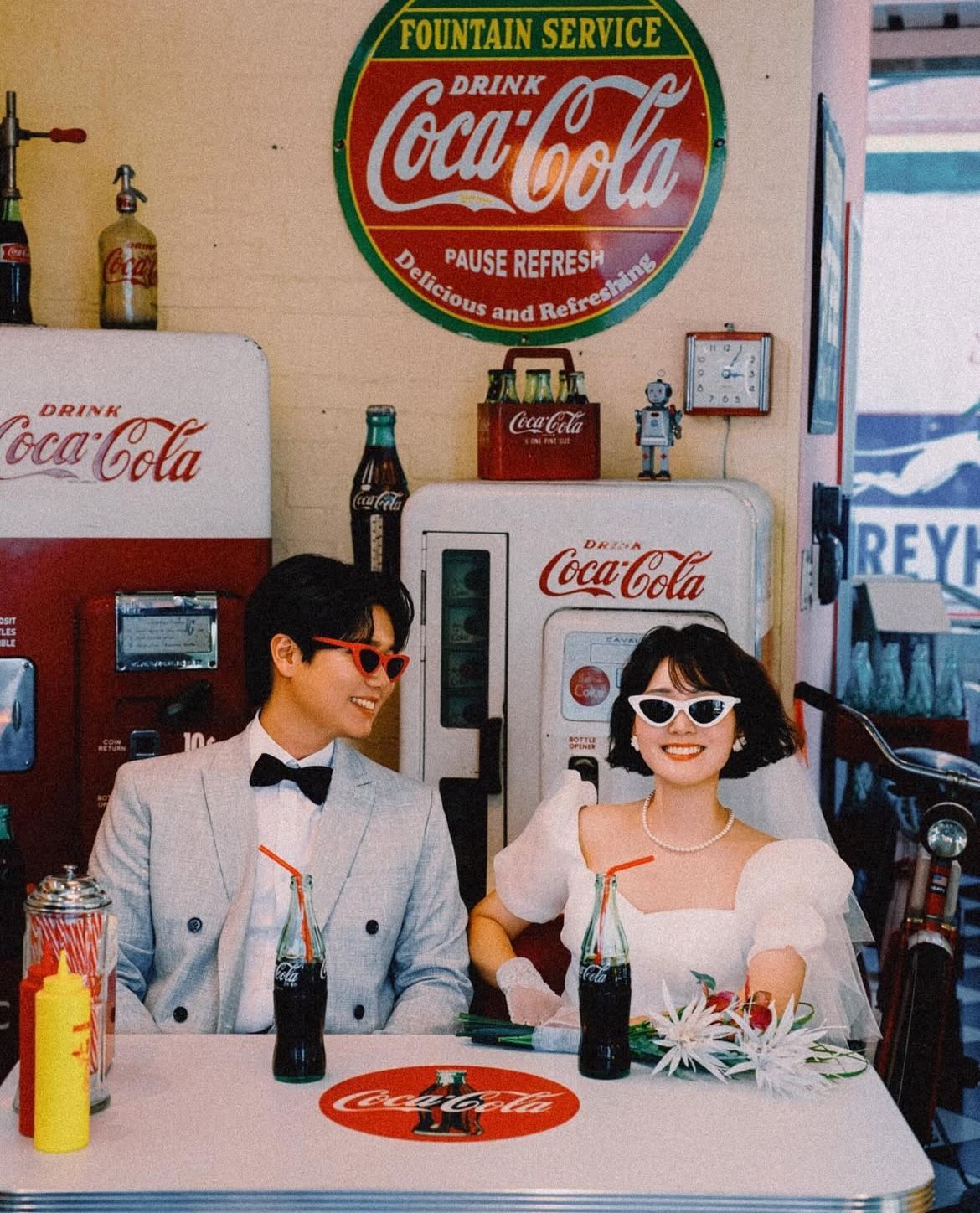
Your venue shapes everything about your wedding photos — the light, the mood, the available backdrops, and which poses will look stunning versus which ones will fall flat. A sweeping landscape pose that looks breathtaking on a hilltop can feel cramped and awkward inside a small chapel. Conversely, a dramatic staircase portrait that works perfectly in a grand ballroom makes no sense in the middle of a garden.
Understanding the strengths and limitations of indoor and outdoor settings is one of the most valuable skills in wedding photography. Whether you are a photographer planning your shot list or a couple trying to make the most of your venue, this guide breaks down what works, where, and why.
The Indoor Advantage
Indoor venues offer something outdoor locations simply cannot guarantee: control. You control the lighting, you control the temperature, and you never have to worry about rain ruining a carefully planned portrait session. But the advantages go far beyond weather protection.
Lighting Control
Indoor spaces allow photographers to shape light with precision. Large windows provide soft, directional light that wraps beautifully around faces and creates natural shadow contours. On overcast days, window light is arguably the most flattering light source available. When natural light falls short, indoor venues make it straightforward to introduce off-camera flash, video lights, or reflectors without worrying about wind knocking over stands or the sun shifting behind a cloud.
Architectural Details
Grand ballrooms, historic churches, art deco hotels, and industrial lofts each bring unique architectural character that becomes part of the photograph. Columns, arches, ornate ceilings, spiral staircases, and patterned floors provide built-in visual interest that outdoor settings rarely match. These elements also create natural frames within the image, drawing the viewer's eye directly to the couple.
Privacy and Comfort
Indoor sessions feel more private. There are no strangers walking through the background, no curious onlookers stopping to watch. This privacy often helps couples relax faster and engage more naturally with each other and the camera. Temperature control also matters — nobody looks comfortable shivering in a winter wind or sweating through a July afternoon.
Best Indoor Poses
Certain poses are tailor-made for indoor environments. Here are the setups that consistently deliver indoors:
- The Staircase Descent: The couple walks down a grand staircase together, the photographer shooting from below. The elevation creates a naturally flattering angle, and the staircase railing adds leading lines.
- The Window Portrait: Position the couple beside a large window, faces turned toward the light. The soft side-lighting sculpts their features beautifully. This works in any indoor venue with decent windows.
- The Doorway Frame: Use an ornate doorway or archway to frame the couple. Shoot from a distance to include the architectural detail, or get close for an intimate portrait with the frame providing context.
- The Reflection Shot: Marble floors, polished tables, and large mirrors common in ballrooms and hotels create gorgeous reflections. Position the couple near a reflective surface and include both them and their reflection in the composition.
- The Dance Floor Dip: Ballrooms and reception halls were made for the classic dip. The open floor space gives the couple room to move, and the indoor lighting can be shaped to create dramatic contrast.
- The Balcony Lean: If the venue has an interior balcony or mezzanine, use it. One partner on the balcony, the other below, creates a romantic Romeo-and-Juliet composition that tells a story within a single frame.
The Outdoor Advantage
Outdoor venues bring a completely different energy to wedding photography. The scale expands, the light shifts constantly, and nature provides backdrops that no interior decorator could replicate. When conditions cooperate, outdoor wedding photos have an ethereal quality that is almost impossible to achieve inside four walls.
Natural Light
Golden hour — the period roughly one hour before sunset — produces warm, directional light that flatters every skin tone and makes images glow. No studio setup can perfectly replicate the quality of golden hour sunlight filtering through trees or backlighting a couple against a horizon. Open shade on overcast days is equally beautiful, providing even, diffused light across the scene.
Landscape and Scale
Mountains, beaches, forests, vineyards, and open fields provide vast, sweeping backdrops that place the couple within something larger than themselves. Wide-angle shots that include the landscape create a sense of epic romance and make stunning large-format prints. These environments also offer incredible depth, allowing photographers to use foreground elements like wildflowers, tall grass, or tree branches to add layers to the composition.
Variety Within Steps
A single outdoor location often provides dozens of distinct backdrops within a short walking distance. A garden ceremony might have a stone wall, a flower bed, a tree canopy, a gravel path, and an open lawn — each offering a completely different look without ever getting in a car.
Best Outdoor Poses
Outdoor settings reward movement, scale, and natural interaction. These poses take full advantage:
- The Walk-Away: The couple walks hand in hand away from the camera down a path, beach, or open field. Shooting from behind captures the landscape and the sense of journey. This is arguably the quintessential outdoor wedding pose.
- The Hilltop Silhouette: Position the couple on a ridge or hilltop at sunset and expose for the sky. The resulting silhouette is dramatic, timeless, and universally beautiful.
- The Spin in Open Space: Wide open areas like fields, beaches, and lawns give the couple room to spin freely. The dress catches the wind, the light wraps around the movement, and the vast background keeps the focus on the couple.
- The Forehead Touch Under Trees: Tree canopy provides dappled light and a natural ceiling. The forehead touch pose works indoors too, but surrounded by nature it takes on a fairytale quality.
- The Seated Meadow Shot: Have the couple sit together in tall grass or a wildflower meadow. The lower angle and natural surroundings create a casual, editorial look. This is a great resting pose during a long outdoor session.
- The Veil in the Wind: Outdoor locations provide the wind that makes veil shots truly spectacular. Position the bride so the wind catches the veil naturally, and shoot from an angle where it flows behind or beside her.
Hybrid Strategies: Getting the Best of Both
Many wedding venues offer both indoor and outdoor spaces, and the smartest approach is to use both. Build a timeline that takes advantage of each environment at its best moment. Shoot outdoor portraits during golden hour when the light is most flattering, then move inside for reception coverage and detail shots where you have lighting control.
If your venue is exclusively indoor or outdoor, you can still create variety. Indoor-only venues often have exterior facades, courtyards, or parking areas that provide quick outdoor options. Outdoor-only venues may have a tent, pavilion, or nearby structure that offers a change of scenery and weather backup.
Dealing with Challenging Conditions
Wind
Wind is the most common outdoor challenge. Light wind is actually an asset — it adds movement to hair and fabric. Strong wind becomes a problem when it plasters clothing against the body or sends hair across faces. Position the couple so the wind comes from behind or the side, and use wind to your advantage by letting veils and trains flow dramatically.
Rain
Rain does not have to ruin outdoor portraits. A clear umbrella creates a romantic, intimate frame around the couple. Overcast skies provide the most even, flattering light. If rain is heavy, seek covered outdoor areas like porches, gazebos, or building overhangs that still provide an outdoor backdrop with overhead protection.
Harsh Midday Sun
Direct overhead sunlight creates unflattering shadows under eyes, noses, and chins. Move the couple into open shade — the shadow side of a building, under a tree canopy, or beneath an awning. If no shade is available, use a diffuser to soften the light, or position the sun behind the couple and use fill flash to light their faces.
"The best wedding photographers do not have favorite settings — they have strategies for every setting. Know your venue, plan your poses accordingly, and let the location work for you instead of against you."
Plan Your Venue-Specific Shot List
The key to maximizing any venue is preparation. Visit the location before the wedding day, scout the best backdrops, note where the light falls at different times, and build a shot list that matches poses to specific spots. UPose makes this process seamless — browse venue-specific poses, save them to a custom board, and organize them in the order you plan to shoot. On the wedding day, open your board in Event Mode and work through your list with confidence, knowing every pose was chosen for that exact space.
Whether your wedding is in a grand cathedral, a rustic barn, a beachside cliff, or a city rooftop, the right pose in the right setting creates photographs that last a lifetime. The venue is your canvas — the pose is your brushstroke. Make them work together.