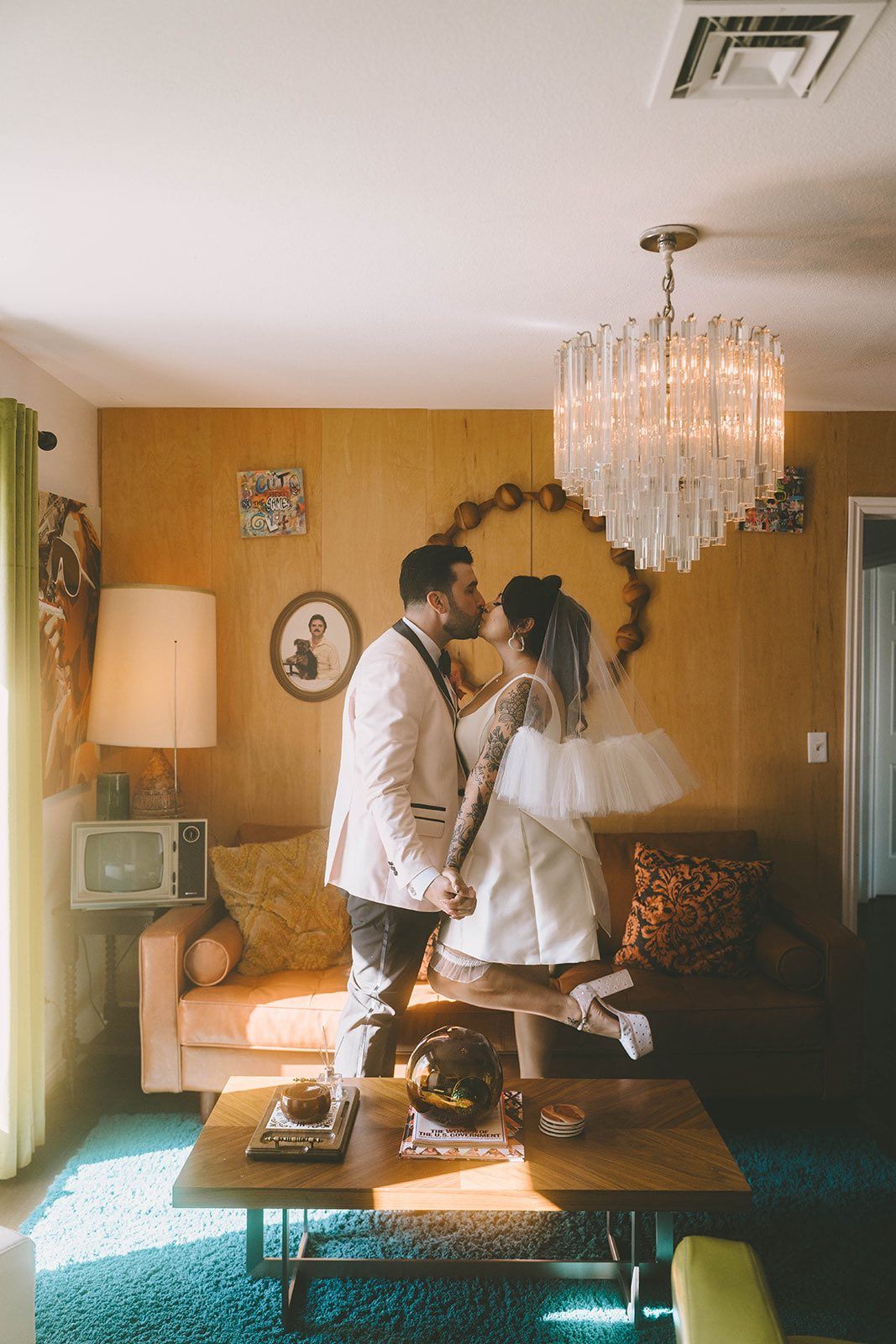
Wedding photography never stands still. Every year brings shifts in technology, aesthetics, and what couples expect from their images. In 2026, we are seeing a fascinating collision of old and new — film-inspired tones shot on mirrorless cameras, documentary honesty blended with editorial polish, and AI tools that handle the tedious work so photographers can focus on what matters: the moment in front of them.
Whether you are a photographer refining your style or a couple trying to articulate what you want from your wedding photos, these are the trends defining the year.
1. Editorial Style Goes Mainstream
Editorial wedding photography — the kind that looks like it belongs in Vogue or Harper's Bazaar — has moved from high-end destination weddings into the mainstream. Couples are asking for dramatic lighting, intentional posing, and images that feel like they were art-directed. This does not mean stiff or impersonal. The best editorial work layers genuine emotion onto a carefully composed frame.
What is driving this shift is social media. Couples see fashion-forward wedding images on Instagram and Pinterest, and they want that level of visual sophistication for their own day. Photographers who can deliver editorial quality without sacrificing warmth and authenticity are in high demand.
2. Film Aesthetics on Digital Cameras
The film photography revival continues to gain momentum in 2026, but with a twist. While some photographers still shoot actual film, most are achieving the look digitally through carefully tuned presets, in-camera color profiles, and intentional grain. The goal is the organic texture and muted color palette of Portra 400 or Fuji Pro 400H without the unpredictability and cost of analog processing.
Couples love this aesthetic because it feels timeless. Film-style images do not look dated five years later the way heavily filtered digital photos can. The soft highlights, lifted shadows, and natural skin tones create a warmth that resonates across generations.
3. Documentary and Photojournalistic Approach
The pendulum is swinging back toward authenticity. More couples in 2026 are requesting a documentary approach where the photographer captures the day as it unfolds, intervening as little as possible. This means fewer staged setups and more real moments — the flower girl tugging at her dress, the father wiping a tear when he thinks no one is watching, the best man nervously rehearsing his speech in the hallway.
Documentary photography requires a different skill set than traditional posed work. It demands anticipation, fast reflexes, and the ability to read a room. Photographers who excel at this style often have backgrounds in journalism or street photography, and they bring that observational instinct to weddings.
4. AI-Powered Workflow Tools
Artificial intelligence is not replacing wedding photographers, but it is transforming how they work behind the scenes. In 2026, AI tools are handling culling, basic color correction, skin retouching, and album layout suggestions. What used to take eight hours of post-processing can now be completed in two, freeing photographers to take on more creative work or simply achieve a healthier work-life balance.
The most forward-thinking photographers are using AI to enhance consistency across a wedding gallery — matching tones between indoor and outdoor shots, balancing mixed lighting conditions, and identifying the sharpest frames from burst sequences. The technology is a tool, not a crutch, and photographers who learn to use it well have a significant competitive advantage.
5. Drone Photography and Cinematic Aerial Angles
Drone photography at weddings has evolved far beyond the novelty overhead group shot. In 2026, photographers and videographers are using drones for cinematic establishing shots, dramatic reveals of outdoor venues, and creative couple portraits that show the landscape in ways ground-level cameras simply cannot.
The key to effective drone work is restraint. One or two well-timed aerial shots can elevate an entire gallery. Overusing the drone turns it into a gimmick. The best drone images serve the story — a couple walking along a cliffside path, a ceremony in a flower-filled meadow seen from above, or a sparkler exit captured from a sweeping overhead angle.
6. Bold Flash Photography
After years of natural-light-only dominance, flash photography is making a comeback with a vengeance. Photographers are using off-camera flash, colored gels, and creative lighting setups to produce images that pop with energy and drama. Reception dance floors are the obvious canvas, but bold flash is also showing up in nighttime portraits, exit shots, and even getting-ready photos where natural light is limited.
The trend toward flash pairs well with the editorial aesthetic. Controlled lighting gives photographers the ability to sculpt a scene, separate subjects from backgrounds, and create images with a cinematic quality that available light alone cannot achieve. It takes technical skill and practice, but the results speak for themselves.
7. Inclusive and Diverse Representation
The wedding industry is finally catching up with the real world. In 2026, photographers are actively expanding their portfolios to represent couples of all backgrounds, body types, abilities, and gender identities. This is not just a moral imperative — it is a business one. Couples want to see themselves reflected in a photographer's work before they book.
Inclusive representation also means rethinking traditional posing guides. Not every couple fits the "tall groom, petite bride" template that has dominated wedding photography for decades. Photographers who develop versatile posing frameworks that work for any couple — regardless of height difference, body type, or gender — are setting themselves apart in a crowded market.
8. Micro Wedding and Elopement Coverage
The micro wedding movement that accelerated during the pandemic has become a permanent fixture of the industry. In 2026, intimate weddings of 20 to 50 guests represent a significant portion of the market. These smaller celebrations often prioritize experience over spectacle, and they demand a different photographic approach.
Photographers covering micro weddings need to be adaptable. There may be no bridal party, no grand entrance, and no formal reception. Instead, the day might center around a private ceremony in a national park followed by dinner at a restaurant. The photographer's job is to capture the intimacy and intention behind these smaller gatherings, which often produce some of the most emotionally rich images imaginable.
"The best trend in 2026 is not a filter or a technique. It is the return to honest, human photography — images that tell the truth about how two people feel about each other."
Staying Ahead of the Curve
Trends come and go, but the photographers who thrive are the ones who adapt without losing their identity. Here are a few ways to stay current without chasing every new fad:
- Study the trend, then make it yours — do not copy what other photographers are doing; find the version that fits your style
- Invest in education — workshops, online courses, and mentorships keep your skills sharp and your perspective fresh
- Update your portfolio regularly — your website should reflect the kind of work you want to be hired for, not what you shot three years ago
- Use tools like UPose — curate trend-forward pose references and share them with clients to align expectations before the wedding day
2026 is shaping up to be one of the most exciting years in wedding photography. The technology is better, the styles are more diverse, and couples are more intentional about the images they want. For photographers willing to evolve, the opportunities are enormous.